
Rugby is the ultimate team sport. Fifteen players. One mission. Every position matters.
Whether you’re new to the game, a parent learning the ropes, or a goal kicker wanting to understand where you fit on the field, this guide breaks down rugby player positions clearly and simply, with a Rugby Bricks mindset.
Because when you understand your role, you play with clarity. And clarity builds confidence.
The Two Main Groups: Forwards and Backs
In rugby union, the team is split into:
-
Forwards (1–8) – The engine room. Physical, powerful, relentless.
-
Backs (9–15) – The decision-makers and finishers. Fast, skilful, clinical.
Each position has a number and a purpose.
Let’s break them down.
The Forwards (1–8)


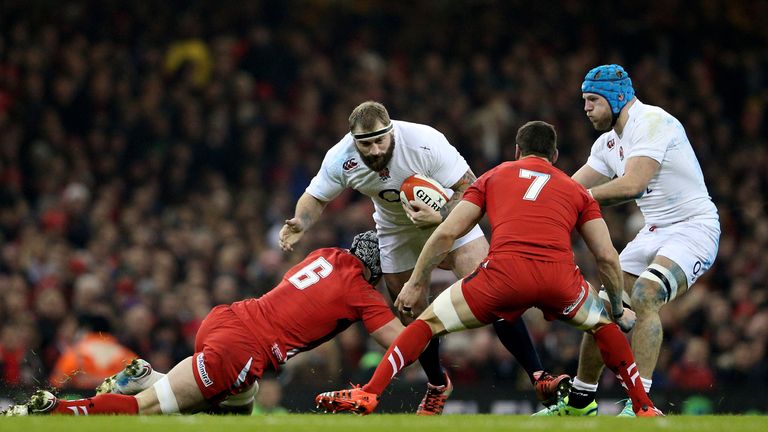
1 & 3 – Props
Props anchor the scrum. They’re strong, technical, and tough.
Responsibilities:
-
Provide stability in the scrum
-
Lift jumpers in the lineout
-
Carry hard into contact
-
Dominate collisions
Great props aren’t just big — they’re smart with body position and relentless around the park.
2 – Hooker
The hooker sits between the two props.
Responsibilities:
-
Throw into the lineout
-
Strike the ball in the scrum
-
Lead defensive intensity
Hookers combine power with accuracy. A consistent lineout throw can win games.
4 & 5 – Locks (Second Row)
The tallest players on the field.
Responsibilities:
-
Primary lineout jumpers
-
Drive power in the scrum
-
Secure restarts
-
Clear rucks
Locks are the foundation of set piece dominance.
6 & 7 – Flankers
Work rate machines.
Blindside Flanker (6):
-
Big defender
-
Physical ball carrier
Openside Flanker (7):
-
Breakdown specialist
-
Turnover threat
Elite flankers influence the game every minute they’re on the field.
8 – Number Eight
The link between forwards and backs.
Responsibilities:
-
Control the ball at the back of the scrum
-
Carry off the base
-
Provide go-forward momentum
A strong No. 8 gives a team front-foot ball — and that changes everything.
The Backs (9–15)

9 – Scrum Half
The tempo controller.
Responsibilities:
-
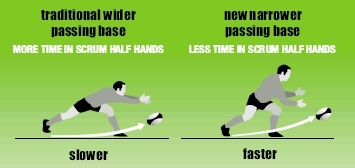
Pass from rucks and scrums
-
Box kick
-
Organise forwards
A sharp 9 speeds the game up. A calm 9 controls pressure.
10 – Fly Half
The general. The decision-maker. Often the goal kicker.
Responsibilities:
-
Call attacking plays
-
Kick for territory
-
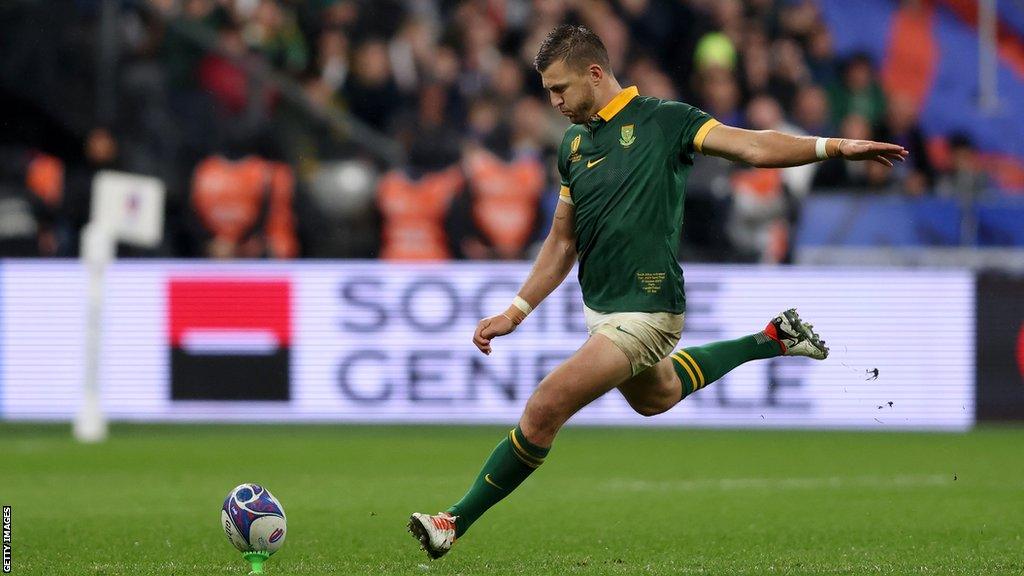
Take conversions and penalties
-
Control momentum
This is where Rugby Bricks lives.
If you’re a 10, your kicking accuracy and mindset under pressure define you. Confidence from the tee builds authority across your whole game.
12 & 13 – Centres
The midfield balance of power and pace.
Inside Centre (12):
-
Direct runner
-
Secondary distributor
Outside Centre (13):
-
Defensive organiser
-
Line-break specialist
Centres must read space and make split-second decisions.
11 & 14 – Wings
Finishers.
Responsibilities:
-
Score tries
-
Chase kicks
-
Defend wide channels
Wingers need speed, aerial ability, and composure in tight spaces.
15 – Fullback
The last line of defence.
Responsibilities:
-
Catch high balls
-
Counter-attack
-
Cover kicks
-
Support line breaks
A great fullback is calm under pressure and dangerous in broken play.
Why Understanding Rugby Positions Matters
Every rugby player position exists for a reason.
When players understand:
-
Their core responsibilities
-
How they connect with teammates
-
What skills they must master
They play faster. Smarter. More confidently.
And if you’re a goal kicker — whether you’re a 10, 12 or 15 — your role carries extra responsibility.
Games are often decided by 3 points.
That’s where preparation matters.
Which Rugby Position Is Right for You?
Choosing a position depends on:
-
Body type
-
Skillset
-
Strengths
-
Game awareness
-
Confidence under pressure
Smaller, agile players often thrive in the backline.
Stronger, physical players dominate in the forwards.
But rugby has evolved. Modern props pass. Locks kick. Fullbacks step in at first receiver.
Versatility is a weapon.
Rugby Positions and Skill Development
No matter your number on the back, certain fundamentals matter:
-
Catch and pass accuracy
-
Tackling technique
-
Breakdown understanding
-
Kicking ability
For backs especially, your kicking game separates you.
At Rugby Bricks, we’ve seen thousands of players grow their confidence simply by improving their routine, mindset, and connection with the ball.
A consistent kicking process builds belief.
Belief changes performance.
Every Position Builds the Team
There’s no “best” rugby position.
Only the one you commit to mastering.
From the prop grinding in the scrum
To the 10 lining up a match-winning kick
To the fullback fielding a high ball in the 79th minute
Every role matters.
Understand your position.
Train with purpose.
Build your skills brick by brick.
And when the pressure moment comes, be ready.
If you’re serious about mastering your kicking game, whether you’re a fly half, centre or fullback, explore our premium kicking tees and resources designed to build confidence under pressure.
Because preparation creates performance.
And performance wins games.