
If you’ve ever watched a game and noticed the player who is everywhere, tackling, stealing ball, carrying hard, backing up breaks, you were probably watching a flanker.
The flanker is the heartbeat of the forward pack.
But what is the ideal rugby flanker body type? Do you have to be huge? Lightning quick? Built like a prop? Or lean like a back?
The answer is simple:
You need the engine of a marathon runner, the power of a forward, and the mindset of a competitor.
Let’s break it down.
What Position Is a Flanker?
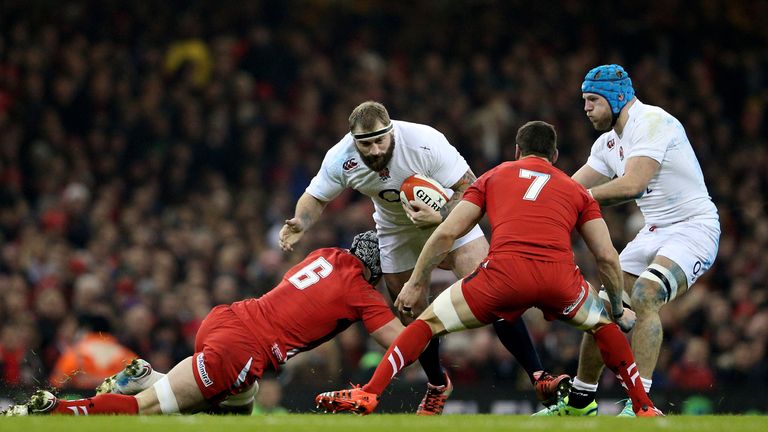
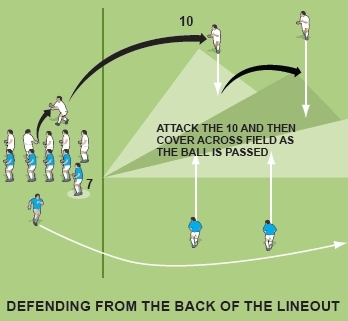
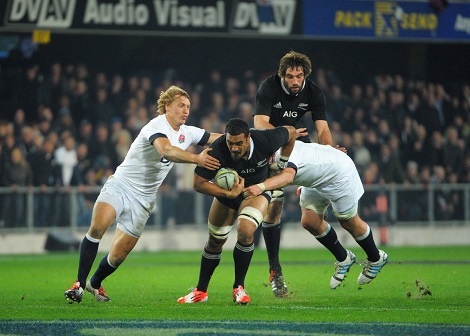
Flankers wear:
-
6 – Blindside Flanker
-
7 – Openside Flanker
They pack on the side of the scrum and are usually the first forwards to arrive at breakdowns.
At Rugby Bricks, we describe flankers as work-rate warriors. If you want to influence the game every minute, this is your position.
The Ideal Rugby Flanker Body Type
There isn’t one perfect shape, but there are clear physical traits that help.
1. Lean, Athletic Frame
Unlike props, flankers don’t rely on pure bulk.
Most elite flankers have:
-
Low body fat
-
Strong legs and hips
-
Powerful core
-
Defined upper body strength
They’re built to repeat high-intensity efforts for 80 minutes.
Think explosive, not just heavy.
2. Height & Weight (Professional Level Guide)
While this varies by level, professional flankers often sit around:
-
Height: 1.85m – 1.95m
-
Weight: 100kg – 115kg
But here’s the key:
It’s not just about size. It’s about power-to-weight ratio.
At school or club level, the best flanker isn’t always the biggest; it’s often the most relentless.
3. Strong Lower Body
Flankers need:
-
Leg drive in tackles
-
Explosive acceleration
-
Stability at the breakdown
-
Scrum support strength
Strong glutes and hamstrings are essential. A flanker with a weak lower body gets exposed quickly in contact.
4. Upper Body Strength for Contact
At the breakdown, you’re fighting for inches.
You need:
-
Grip strength
-
Shoulder stability
-
Upper back strength
-
Neck strength
Turnovers are won through body position and strength through contact.
Blindside vs Openside: Body Type Differences


Blindside Flanker (6)
Typically:
-
Slightly bigger
-
More physical ball carrier
-
Strong in tight spaces
The blindside often acts as an extra lock in defence and carries hard off 9 or 10.
They need bulk and power.
Openside Flanker (7)
Typically:
-
Slightly lighter
-
Faster over short distances
-
Breakdown specialist
The openside is hunting turnovers.
They rely more on agility, acceleration, and stamina than pure mass.
If you’re naturally quick and competitive over the ball, openside might suit you.
The Most Important Flanker Trait: Engine
Here’s the truth:
The best rugby flanker body type is built around work rate.
You can’t fake fitness at 6 or 7.
Flankers:
-
Make the most tackles
-
Hit the most rucks
-
Cover the most metres
If your engine drops, your influence drops.
At Rugby Bricks, we talk about “earning your confidence through preparation.” For flankers, preparation is conditioning.
Repeat effort wins games.
Strength Benchmarks for Flankers
While this varies, strong club-level flankers often aim for:
-
Squat: 1.8–2x bodyweight
-
Deadlift: 2x bodyweight
-
Bench press: 1.3–1.5x bodyweight
-
40m sprint: Under 5.5 seconds
Again, numbers matter less than how you perform under fatigue.
Game fitness > gym numbers.
Can You Be Smaller and Still Play Flanker?
Absolutely.
At youth and amateur levels especially, technique beats size.
If you:
-
Tackle low and accurately
-
Arrive first to breakdowns
-
Make good decisions
-
Compete hard
You can dominate without being the biggest on the field.
Rugby rewards courage and work ethic.
Skills That Complement the Flanker Body Type
Even though flankers are forwards, modern rugby demands more.
You need:
-
Passing ability
-
Ball-handling under pressure
-
Decision-making
-
Kicking awareness
The game is faster than ever.
The more complete you are, the more valuable you become.
Mentality: The Hidden Advantage
The rugby flanker body type isn’t just physical.
It’s mental.
Flankers:
-
Thrive in collisions
-
Embrace dirty work
-
Compete for every inch
-
Stay composed under pressure
You don’t wait for the game to come to you.
You go and find it.
Build the Body, Train the Engine
If you want to play 6 or 7, focus on:
-
Explosive strength
-
Repeat sprint ability
-
Core stability
-
Breakdown technique
-
Contact conditioning
And most importantly, consistency.
Flankers influence games through effort, not highlight moments.
Brick by brick. Rep by rep.
If you bring relentless energy, physicality, and smart preparation, the flanker jersey becomes yours.
And when your team needs momentum, you’ll be the one delivering it.